


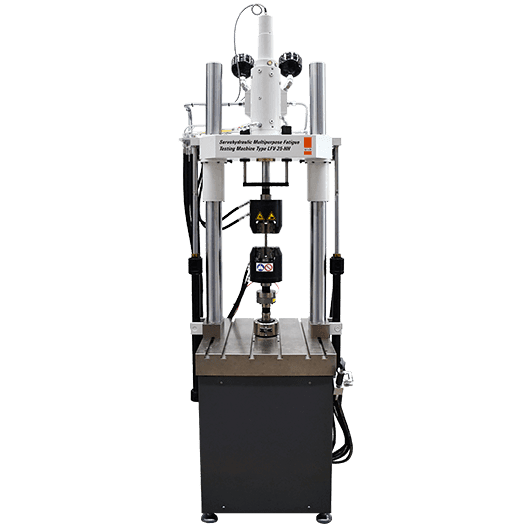
LFV-E Electrodynamic Fatigue Testing Systems are designed to perform high-precision dynamic and fatigue tests on a variety of materials. These systems are based on the electrodynamic operating principle, which allows for high-precision control of forces and frequencies. The LFV-E series equipment is ideal for research laboratories, universities and industrial sectors where it is important to determine the durability and resistance of materials under long-term loads.
Main features of LFV-E systems:
- Electrodynamic system: Using the electrodynamic operating principle, LFV-E systems provide extremely precise force control, which allows for consistent and accurate fatigue tests.
- High frequency accuracy: LFV-E systems allow testing over a wide frequency range, providing the ability to accurately simulate various dynamic situations.
- Compact design: The system's compact design allows for easy integration into laboratories or research centers, even where space is limited.
- Modular structure: The ability to use various accessories such as grippers, strain gauges and load cells provides flexibility in performing different types of tests.
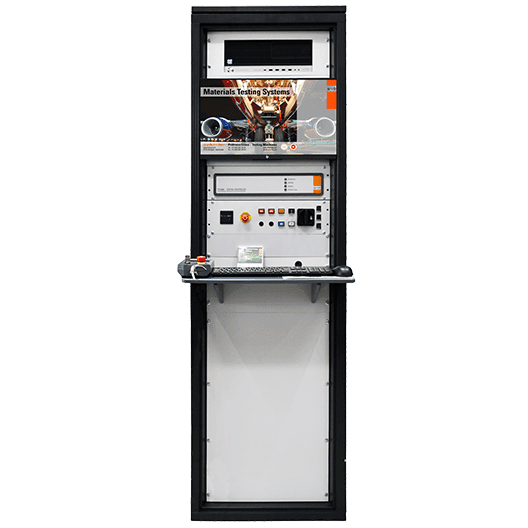
- Software: The system is integrated with specialized software that allows real-time data monitoring, analysis, and report generation.
Technical specifications:
| Specification | Value |
|---|---|
| Maximum load | Up to 50 kN |
| Test types | Dynamic, fatigue |
| Power control accuracy | ± 0.5 % |
| Frequency range | Up to 300 Hz |
| Power range | 0-50kN |
| Management system | Electrodynamic, servo-controlled |
| Software | Real-time data analysis, report generation |
| Available accessories | Grippers, strain gauges, load cells |
Areas of use:
- Aviation: Durability testing of materials and parts under dynamic and fatigue stresses.
- Automotive industry: Testing of components to assess their resistance to long-term loads and dynamic stresses.
- Materials Sciences: Used for testing to determine the resistance of materials to mechanical fatigue.
The LFV-E series systems offer the high reliability and accuracy required for long-term fatigue testing. These systems are widely used in various fields where it is necessary to accurately model and analyze the behavior of materials under long-term loads.






 EN
EN  LT
LT  LV
LV